Buy pureaudio.eu ?
We are moving the project
pureaudio.eu .
Are you interested in purchasing the domain
pureaudio.eu ?
domain@kv-gmbh.de · 0541-91531010
Buy pureaudio.eu ?
Was the Baroque era in the Middle Ages?
No, the Baroque era was not in the Middle Ages. The Middle Ages, also known as the Medieval period, spanned from the 5th to the 15th century, while the Baroque era occurred from the late 16th to the early 18th century. The Baroque era followed the Renaissance period and was characterized by ornate and elaborate artistic styles in music, architecture, and visual arts. **
When was the musical era of the Middle Ages?
The musical era of the Middle Ages spanned from approximately the 5th century to the 15th century. This period was characterized by the development of early forms of musical notation, the establishment of Gregorian chant as the dominant form of music in the church, and the emergence of secular music in the form of troubadours and minstrels. The Middle Ages saw a rich and diverse musical culture that laid the foundation for the development of Western music. **

Similar search terms for Middle Era
Top-Angebote
Products related to Middle Era:


-
Does it belong more to rhythm, melody, and harmony?
The concept of harmony is most closely related to the interaction of different notes and chords in music. Harmony refers to the simultaneous sounding of different pitches to create a pleasing sound. While rhythm and melody are also important elements in music, harmony specifically deals with the vertical aspect of music, focusing on how notes and chords interact with each other. Therefore, harmony belongs more to the realm of harmony itself. **
-
What is the difference between rhythm, melody, and harmony?
Rhythm refers to the pattern of sounds and silences in music, creating a sense of movement and pulse. Melody is the sequence of musical notes that are perceived as a single entity, often the most recognizable and memorable part of a song. Harmony involves the combination of different musical notes played or sung simultaneously, creating a pleasing sound. While rhythm provides the framework for the timing of music, melody is the main tune, and harmony adds depth and richness to the overall sound. **
-
Which era is cooler: the European Middle Ages or the Wild West?
The answer to this question is subjective and depends on personal preferences. The European Middle Ages are often associated with knights, castles, and chivalry, while the Wild West is known for cowboys, outlaws, and the frontier spirit. Both eras have their own unique appeal and offer different cultural, historical, and aesthetic experiences. Ultimately, whether the European Middle Ages or the Wild West is "cooler" is a matter of individual taste and interest in the respective time periods. **
-
What is the transition between the Middle Ages and the Modern Era?
The transition between the Middle Ages and the Modern Era is often referred to as the Renaissance. This period saw a revival of interest in art, literature, and learning, as well as a shift towards humanism and individualism. The Renaissance also brought about advancements in science, technology, and exploration, leading to significant changes in society and culture. This transition marked a shift from the feudal system and the dominance of the Catholic Church to the rise of nation-states, the growth of trade and commerce, and the spread of new ideas and knowledge. **

Could the Middle Ages cope with the progress from the year 500 in the dinosaur era?
No, the Middle Ages could not cope with the progress from the year 500 in the dinosaur era as dinosaurs became extinct around 65 million years ago, long before the Middle Ages began. The people living in the Middle Ages would not have had the knowledge, technology, or resources to deal with the existence of dinosaurs. The drastic changes in the environment, ecosystem, and overall way of life that would come with the presence of dinosaurs would have been overwhelming for the people of the Middle Ages. **
What is the name of the time period that separates the ancient era from the Middle Ages?
The time period that separates the ancient era from the Middle Ages is known as the "Early Middle Ages" or the "Dark Ages." This period began around the 5th century and lasted until the 10th century, following the fall of the Western Roman Empire. It was a time of significant political, social, and cultural change in Europe, as well as the rise of new kingdoms and the spread of Christianity. **
Top-Angebote
Products related to Middle Era:
-
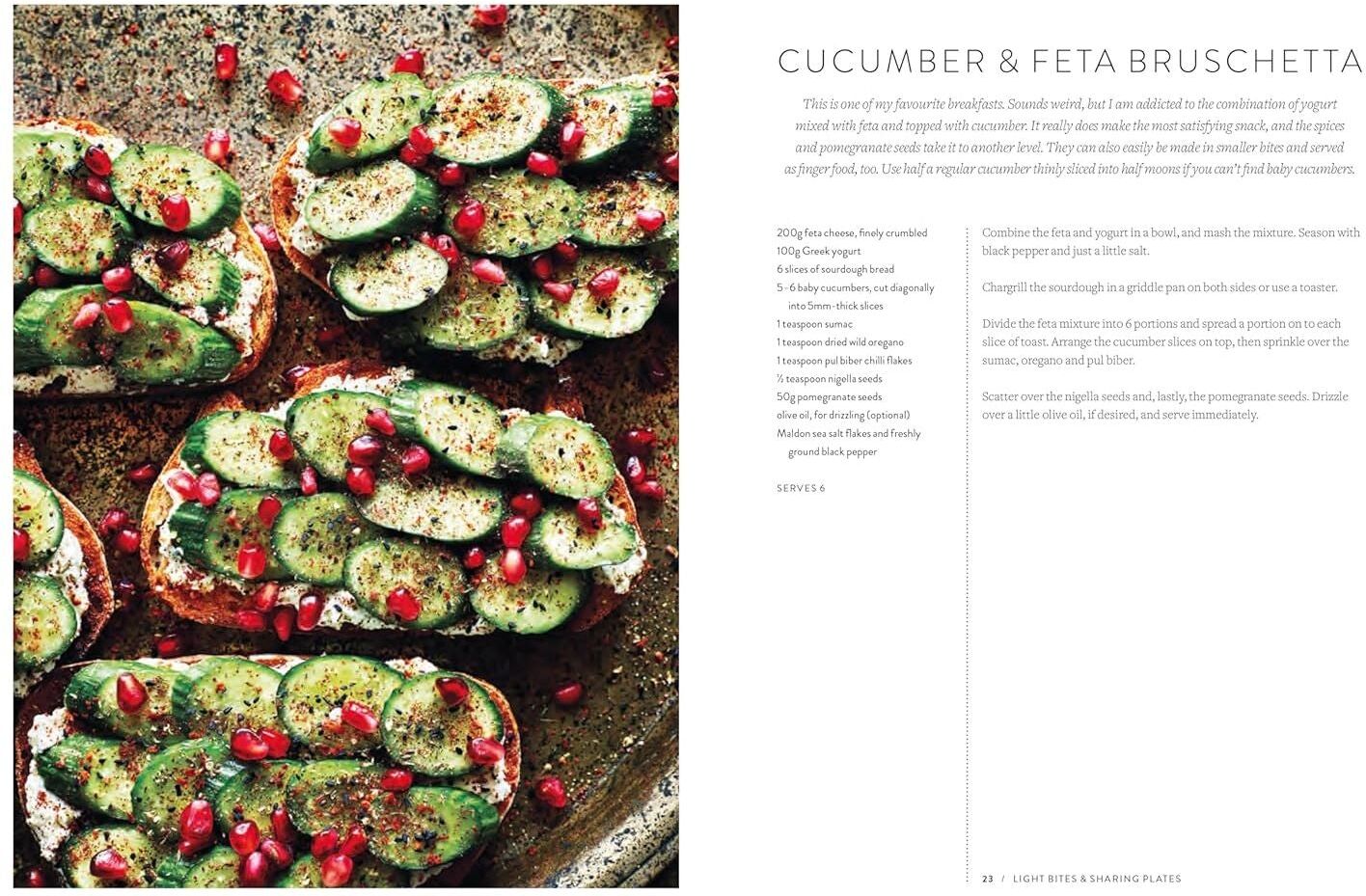
Mitchell Beazley Bazaar by Sabrina Ghayour Vibrant Vegetarian & Middle Eastern Recipes CookbookBazaar by bestselling author and chef Sabrina Ghayour is a joyful celebration of vegetarian Middle Eastern cooking, bursting with bold flavours, vibrant colours and accessible recipes. Inspired by the sights, smells and tastes of Middle Eastern food markets, this cookbook offers over 100 delicious meat-free recipes designed to be shared, savoured and enjoyed with minimal fuss. From small plates and mezze to hearty mains, salads, breads and sweet treats, Bazaar proves that vegetarian food can be exciting, satisfying and full of flavour. With Sabrina’s signature style—simple methods, flexible ingredients and stunning presentation—this book is perfect for home cooks who love Persian, Middle Eastern and Mediterranean flavours, whether vegetarian or simply looking to eat more plant-based meals. A must-have for fans of Persiana, Feasts and Sirocco. Written by bestselling chef Sabrina Ghayour Features 100+ vibrant vegetarian Middle Eastern recipes Inspired by the flavours and colours of Middle Eastern bazaars Includes mezze, mains, salads, breads & desserts Easy-to-follow recipes with bold, exciting flavours Beautifully photographed and perfect for sharing dishes Ideal gift for vegetarians, food lovers & cookbook collectors ⭐ From the author of Persiana, Sirocco & Feasts6,99 £*Shipping: 2,99 £Secure redirect to the provider
-
Was the Baroque era in the Middle Ages?
No, the Baroque era was not in the Middle Ages. The Middle Ages, also known as the Medieval period, spanned from the 5th to the 15th century, while the Baroque era occurred from the late 16th to the early 18th century. The Baroque era followed the Renaissance period and was characterized by ornate and elaborate artistic styles in music, architecture, and visual arts. **
-
When was the musical era of the Middle Ages?
The musical era of the Middle Ages spanned from approximately the 5th century to the 15th century. This period was characterized by the development of early forms of musical notation, the establishment of Gregorian chant as the dominant form of music in the church, and the emergence of secular music in the form of troubadours and minstrels. The Middle Ages saw a rich and diverse musical culture that laid the foundation for the development of Western music. **
-
Does it belong more to rhythm, melody, and harmony?
The concept of harmony is most closely related to the interaction of different notes and chords in music. Harmony refers to the simultaneous sounding of different pitches to create a pleasing sound. While rhythm and melody are also important elements in music, harmony specifically deals with the vertical aspect of music, focusing on how notes and chords interact with each other. Therefore, harmony belongs more to the realm of harmony itself. **
-
What is the difference between rhythm, melody, and harmony?
Rhythm refers to the pattern of sounds and silences in music, creating a sense of movement and pulse. Melody is the sequence of musical notes that are perceived as a single entity, often the most recognizable and memorable part of a song. Harmony involves the combination of different musical notes played or sung simultaneously, creating a pleasing sound. While rhythm provides the framework for the timing of music, melody is the main tune, and harmony adds depth and richness to the overall sound. **
Similar search terms for Middle Era
-
Which era is cooler: the European Middle Ages or the Wild West?
The answer to this question is subjective and depends on personal preferences. The European Middle Ages are often associated with knights, castles, and chivalry, while the Wild West is known for cowboys, outlaws, and the frontier spirit. Both eras have their own unique appeal and offer different cultural, historical, and aesthetic experiences. Ultimately, whether the European Middle Ages or the Wild West is "cooler" is a matter of individual taste and interest in the respective time periods. **
-
What is the transition between the Middle Ages and the Modern Era?
The transition between the Middle Ages and the Modern Era is often referred to as the Renaissance. This period saw a revival of interest in art, literature, and learning, as well as a shift towards humanism and individualism. The Renaissance also brought about advancements in science, technology, and exploration, leading to significant changes in society and culture. This transition marked a shift from the feudal system and the dominance of the Catholic Church to the rise of nation-states, the growth of trade and commerce, and the spread of new ideas and knowledge. **
-
Could the Middle Ages cope with the progress from the year 500 in the dinosaur era?
No, the Middle Ages could not cope with the progress from the year 500 in the dinosaur era as dinosaurs became extinct around 65 million years ago, long before the Middle Ages began. The people living in the Middle Ages would not have had the knowledge, technology, or resources to deal with the existence of dinosaurs. The drastic changes in the environment, ecosystem, and overall way of life that would come with the presence of dinosaurs would have been overwhelming for the people of the Middle Ages. **
-
What is the name of the time period that separates the ancient era from the Middle Ages?
The time period that separates the ancient era from the Middle Ages is known as the "Early Middle Ages" or the "Dark Ages." This period began around the 5th century and lasted until the 10th century, following the fall of the Western Roman Empire. It was a time of significant political, social, and cultural change in Europe, as well as the rise of new kingdoms and the spread of Christianity. **
* All prices are inclusive of VAT and, if applicable, plus shipping costs. The offer information is based on the details provided by the respective shop and is updated through automated processes. Real-time updates do not occur, so deviations can occur in individual cases. ** Note: Parts of this content were created by AI.